Zone 2 Aerobic Base
Submaximal aerobic conditioning conducted at conversational intensities stimulates microcapillary density and fat oxidation without triggering acute central nervous system exhaustion.
Solace translates peer-reviewed exercise physiology, gait cadence mechanics, and active recovery protocols into measured, durable frameworks for sustainable daily motion.

Base step volume promoting lumbar decompression and venous return without excessive joint impact.
Peak mitochondrial oxygen utilization threshold preserving autonomic nervous system stability.
Biological duration required for connective tissue restoration and microvascular repair between demanding sessions.
“Physical durability is not an accidental byproduct of raw exertion; it is the discipline of matching training load to systemic restorative capacity.”
Calibrate your weekly cardiovascular volume, walking cadence, and sleep parameters to evaluate systemic equilibrium and receive an evidence-informed recovery protocol.
Combined cycling, sustained running, rowing, or swimming sessions.
Non-exercise ambient walking, posture resets, and commuting motion.
Uninterrupted sleep opportunity in a quiet, dark environment.
Subjective score reflecting desk sedentarism, travel fatigue, or physical work.
Workload and restorative habits operate in steady parity. To safeguard tendon durability across prolonged training blocks, insert a 15-minute low-cadence decompression stroll post-sedentary work and ensure fluid hydration exceeds 35 ml per kilogram of bodyweight.
Sustainable performance requires understanding how training load interacts with skeletal alignment and autonomic recovery.
Submaximal aerobic conditioning conducted at conversational intensities stimulates microcapillary density and fat oxidation without triggering acute central nervous system exhaustion.
Prolonged sitting shortens hip flexors and limits thoracic extension. Dedicated decompression drills restore upright trunk alignment, protecting spinal discs during locomotion.
Walking at 100 to 115 steps per minute provides cyclical joint lubrication through synovial fluid circulation, preventing stiffness without accumulating orthopedic fatigue.
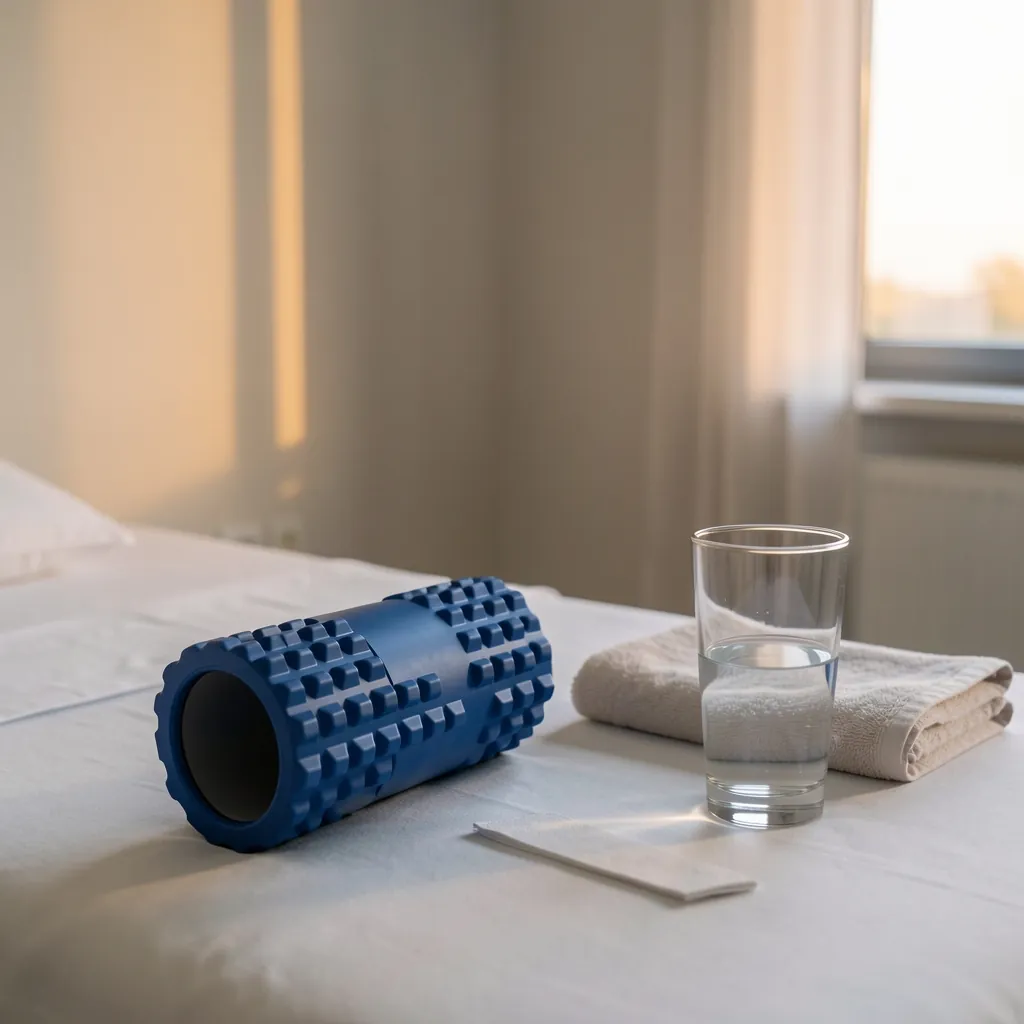
Training adaptations do not occur during muscular exertion; they manifest during the subsequent regenerative phase. Active recovery days — composed of relaxed walking, gentle movement, and circadian sleep alignment — accelerate metabolic waste clearance while lowering systemic stress biomarkers.

Recent kinesiological investigations indicate that conscious cadence adjustments decrease peak tibial acceleration by up to 23%. By prioritizing step frequency over stride overextension, runners and walkers dramatically decrease braking forces on knee and hip joints.
Solace is a registered educational project committed to peer-reviewed science communication, editorial transparency, and commercial integrity. Registered in Rzeszów, Poland under KRS 0000764760 and NIP PL5170396873.