Solace Physiology & Motion

Physiology & Biomechanical Research Digest

Translating empirical exercise physiology, motor control literature, and kinesiological trials into transparent, practical principles for sustainable daily movement.

Curated Research Reviews

Our editorial fellows synthesize contemporary scientific publications to extract verifiable physical insights.

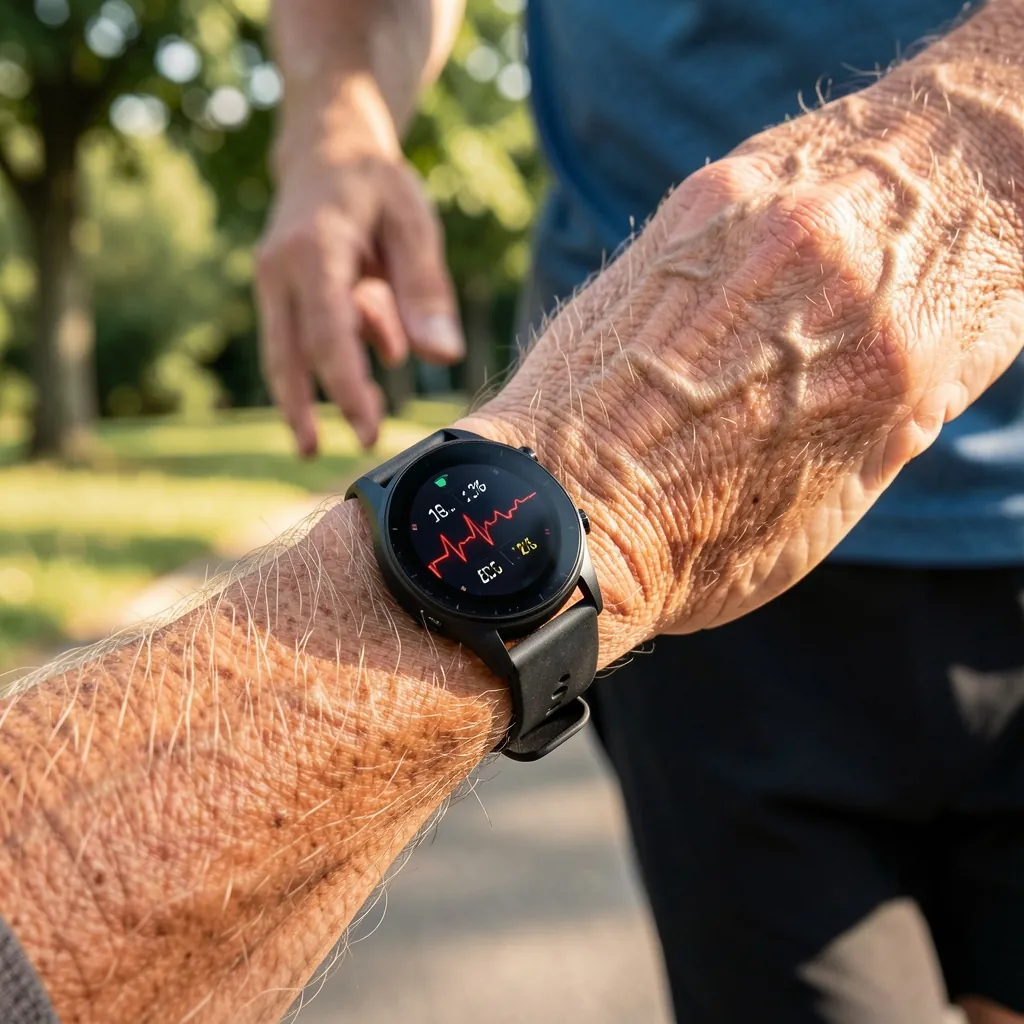
Heart rate monitor displaying cardio metrics on runner's wrist
Review • Autonomic Tone

Resting Heart Rate & 30-Day Autonomic Trends

Evaluating how baseline resting pulse fluctuations over rolling 30-day windows reflect parasympathetic recovery reserves and cumulative cardiovascular training load.

Source: European Journal of Applied Physiology (Review)
Foot strike and cadence mechanics during outdoor walking session
Review • Gait Mechanics

Cadence Calibration & Tibial Acceleration

Analyzing the relationship between step frequency and mechanical joint loads. Increasing step cadence by 5–10% consistently attenuates peak braking forces at the patellofemoral interface.

Source: Journal of Biomechanics & Motor Control
Sleep tracking setup analyzing nocturnal heart rate recovery dips
Review • Sleep Architecture

Slow-Wave Sleep & Connective Tissue Repair

Investigating nocturnal heart rate dip dynamics and deep-stage sleep architecture in regulating growth hormone pulses and microvascular tendon remodeling following eccentric loading.

Source: Sports Medicine & Sleep Science Archive

Why Low-Intensity Aerobic Work Sustains Long-Term Durability

In modern athletic conditioning, the temptation to train at chronic moderate-to-high intensities often leads to autonomic fatigue and stagnation. Zone 2 training — defined as the intensity where blood lactate remains below 2.0 mmol/L — allows the muscular system to recruit slow-twitch Type I fibers almost exclusively.

This metabolic environment maximally stimulates mitochondrial biogenesis, enhances fatty acid oxidation, and increases capillary density around working muscles without requiring extended recovery cycles.

  • ✓ Mitochondrial volume density expansion across skeletal muscle.
  • ✓ Rapid systemic clearance of metabolic byproducts during recovery.
  • ✓ Preservation of sympathetic tone for cognitive and occupational resilience.
Researcher reviewing physiological training journals and aerobic data

Our Editorial & Review Standards

Solace adheres to strict criteria when evaluating athletic physiology literature.

Peer-Reviewed Sourcing

Every principle featured in our research digests is verified against indexed scientific databases (PubMed, Scopus, DOAJ) with open attribution to authors and institutions.

Absence of Commercial Endorsement

Our editorial syntheses are produced independently by WR ENERGIA SPÓŁKA Z OGRANICZONĄ ODPOWIEDZIALNOŚCIĄ without sponsor placement or device affiliation.

Practical Contextualization

We clearly differentiate established consensus from emerging hypotheses, ensuring readers receive prudent, actionable movement guidance.