Load
How does a session sit inside the week, the season, and the life around it? Solace looks at accumulated stress rather than isolated effort.
Clear, measured reporting on endurance, strength, recovery, and the practical science of training well after 35.
Read our methodology
Performance is not a contest against age; it is a conversation with context, capacity, and consistency.
Issue 12 · October 2026A FIELD GUIDE
How does a session sit inside the week, the season, and the life around it? Solace looks at accumulated stress rather than isolated effort.
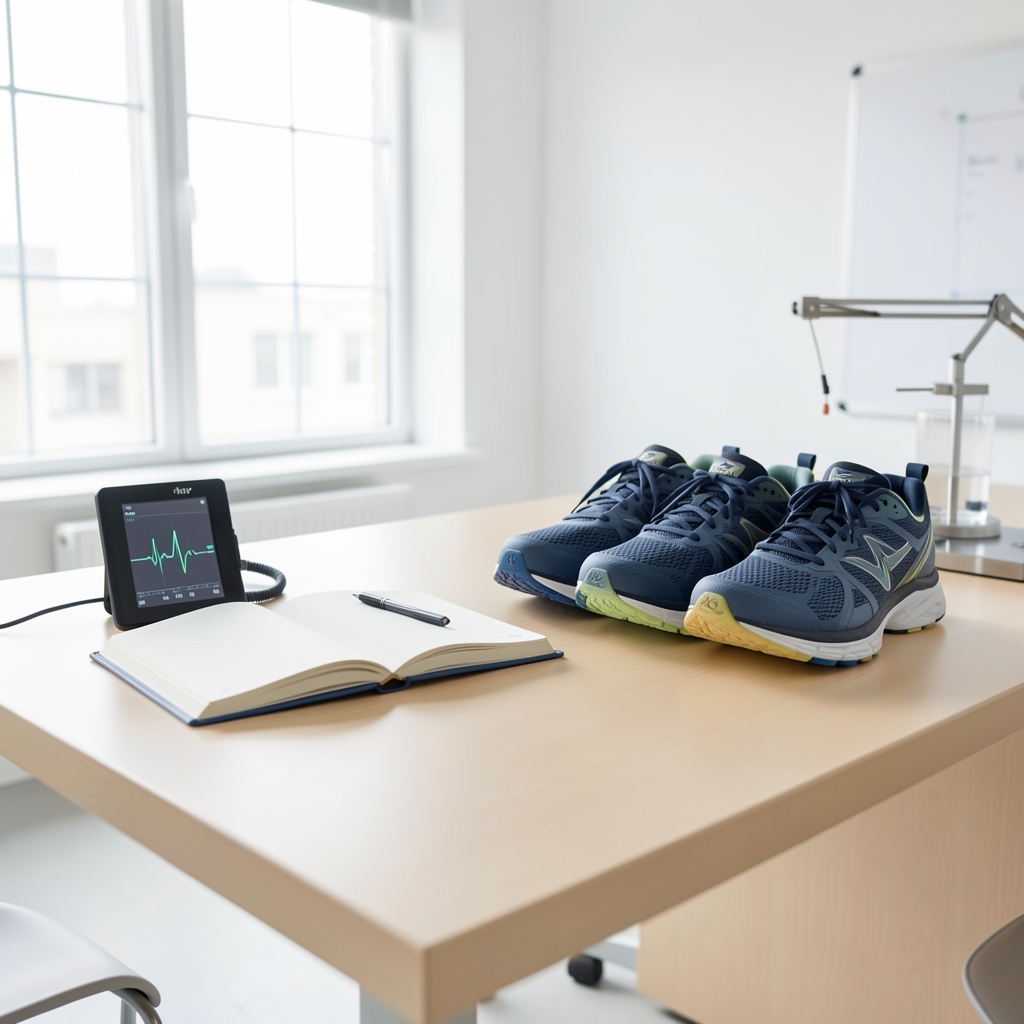
Heart rate, pace, sleep, and subjective effort are useful observations. We explain what they can suggest without turning them into diagnoses.
Training is a process of stimulus and response. Our editorial work makes room for slower progress, missed sessions, and the value of restraint.
THE SOLACE LENS
We publish for people who have already learned that a hard week is not automatically a productive week. Each feature separates established findings, plausible interpretation, and personal context.
Our writers consult coaches, clinicians, researchers, and experienced athletes, then translate the conversation into language that respects uncertainty. That distinction matters in Jakarta’s heat as much as it does on a cool mountain road.
How Solace works →A SIMPLE OVERVIEW
| Lens | What it observes | Useful editorial question |
|---|---|---|
| External load | Distance, duration, pace, and resistance | What work was completed? |
| Internal response | Effort, breathing, heart rate, and mood | How did the work feel today? |
| Recovery context | Sleep, schedule, travel, and heat | What shaped readiness? |
| Long view | Consistency, interruptions, and adaptation | What pattern is emerging? |
ORIGIN NOTES
THE WORKING VOCABULARY
Availability: the capacity to train today. Durability: the ability to repeat useful work. Strain: the internal cost of an external load. Context: everything that changes the meaning of a number.
Explore the glossary →“The most useful metric is often the one that helps a person make a calmer decision.”
— Solace editorial desk

FIELD NOTE · 08 OCTOBER 2026 · BY MARCUS LIM
Why thermal strain can change perceived effort before pace changes, and how to record it responsibly in a personal training log.
Read the field note →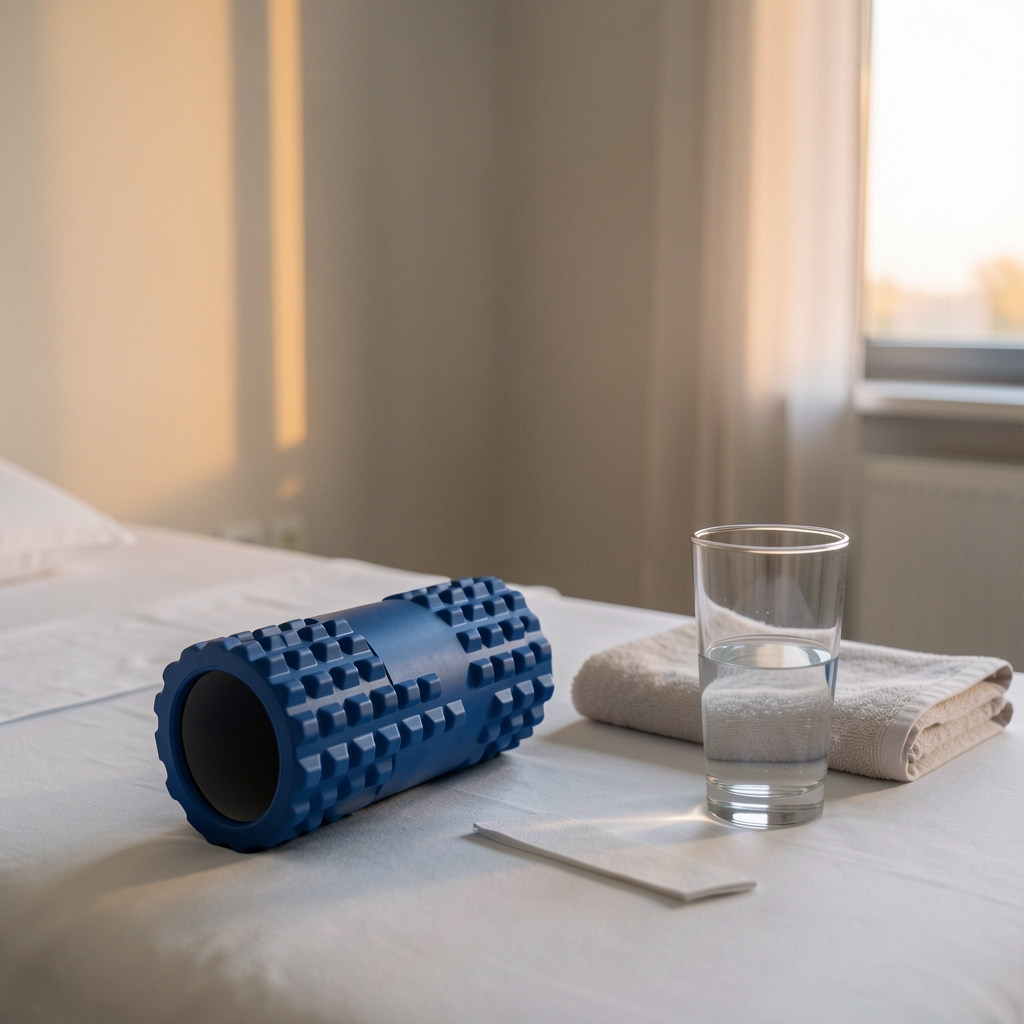
FIELD NOTE · 24 SEPTEMBER 2026 · BY AISHA RAHMAN
A practical account of low-intensity movement, sleep opportunity, and the psychology of backing off.
Read the field note →EDITORIAL NOTE
A watch, app, or laboratory measure can add detail to a training story. It cannot describe the whole person, the whole week, or the reasons a session changed. Solace places data beside lived context so readers can make more considered decisions.
Read our publishing boundariesNo. It is an educational publication and encourages professional assessment for symptoms or health decisions.
Because training context changes, and that transition deserves nuanced coverage rather than slogans.
Yes. Articles explain assumptions and identify when a reader should seek qualified guidance.
Solace is based at Jalan Cempaka Putih Raya No. 15, RT.8/RW.5, Cempaka Putih Barat, Kota Jakarta Pusat, Daerah Khusus Ibukota Jakarta 10520, Indonesia.
Browse the topic index, read the archive, or contact the desk with a considered editorial suggestion.
 Contact Solace